
Home › Products › Carbon Fiber Sheets › Unidirectional Carbon Fiber Sheet
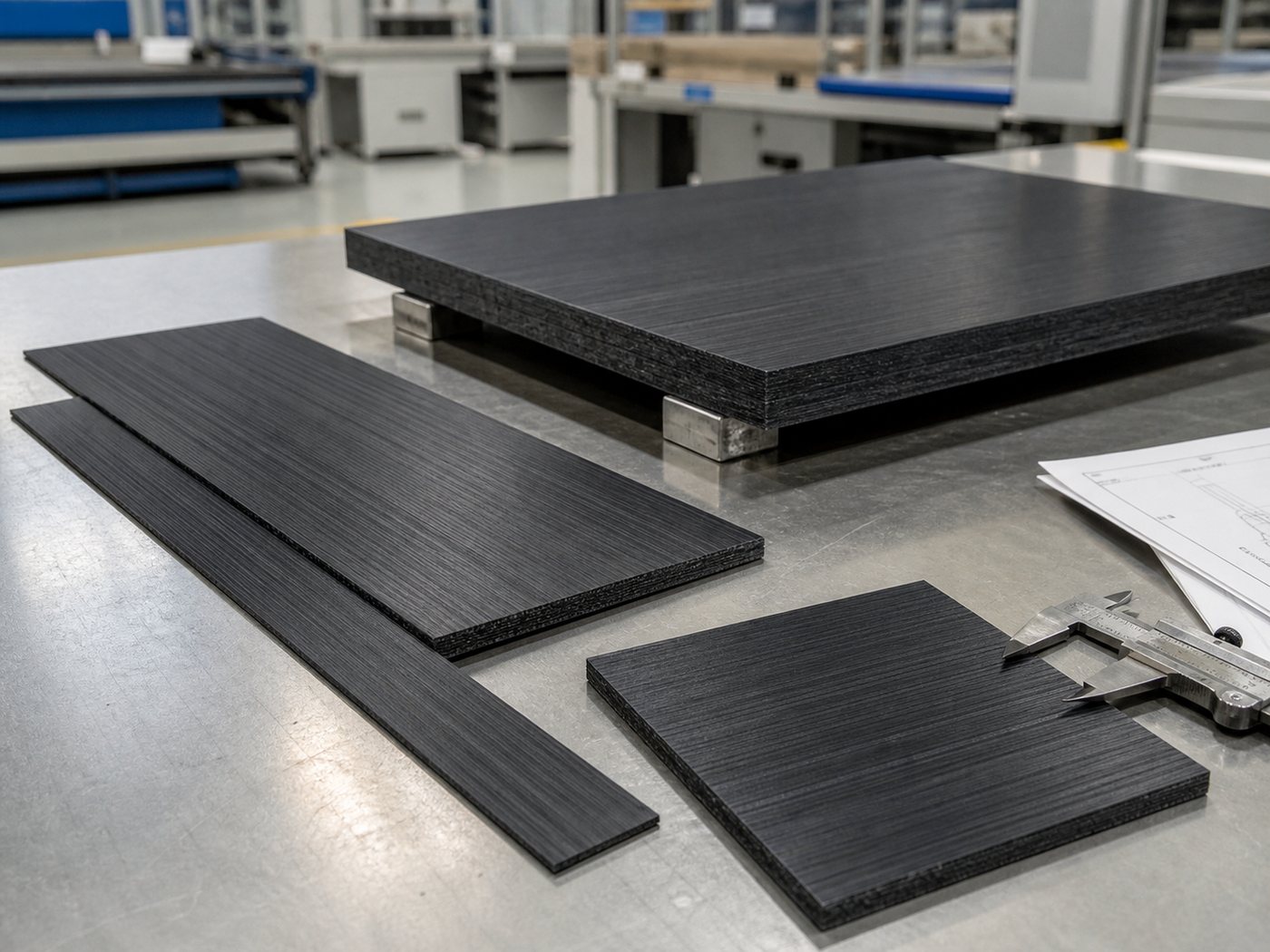
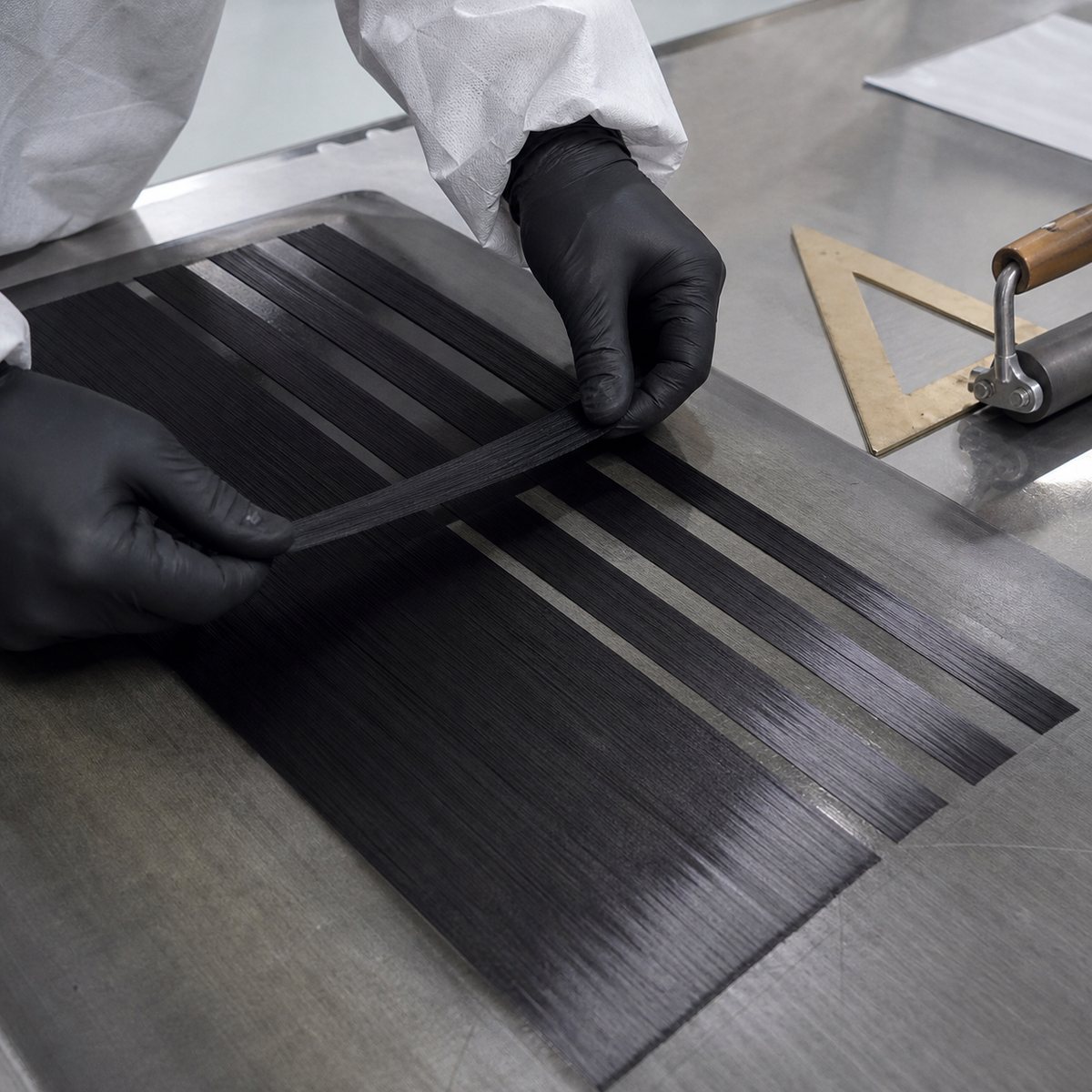
Custom Unidirectional Carbon Fiber Sheets
Made-to-drawing unidirectional carbon fiber sheets and custom 0° UD carbon fiber plates for beams, robotics, automation equipment, UAV structures and directional reinforcement. Specify the load direction, fiber orientation, thickness, sheet dimensions, resin system and CNC-machined features required for your project.
0° Fiber Alignment · Custom Thickness · CNC Cut to Drawing · Small-Batch & OEM Supply
| Fiber Orientation | 0° UD / UD-Dominant / Custom Layup |
| Fiber Grade | T300 / T700 or Project-Specific |
| Dimensions | Custom Thickness and Sheet Size |
| Processing | CNC Cutting / Drilling / Bonding Preparation |
Directional-load design · Custom ply orientation · Prototype and production support
0° Fiber Direction
Designed around a defined longitudinal load path
Custom Thickness
Thin sheets and rigid UD plates reviewed by drawing
CNC Processing
Cut profiles, holes, slots and bonding surfaces
OEM Supply
Small-batch prototypes through repeat production
0° Unidirectional Carbon Fiber Sheets for Directional Stiffness
A unidirectional carbon fiber sheet uses continuous fibers aligned primarily in one direction. This construction concentrates tensile and bending stiffness along the 0° fiber axis, making the sheet useful for beams, struts, stiffeners and local reinforcement where the principal load direction is known.
A pure 0° laminate, a UD-dominant plate with stabilizing cross plies and a balanced 0/90 plate are different products. The required layup should be selected from the actual load case rather than appearance alone.
Unidirectional Carbon Fiber Sheet Specifications
Final fiber grade, cured thickness, layup and tolerance are confirmed during engineering review.
| Specification | Custom Options | Information Needed |
|---|---|---|
| Layup Type | Pure 0° UD, UD-dominant or project-specific layup | Load direction and stability needs |
| Fiber Grade | Standard, high-strength or reviewed modulus grade | Strength, stiffness and deflection target |
| Thickness | Custom thin sheet or rigid structural plate | Nominal thickness and tolerance |
| Sheet Dimensions | Standard tooling or custom cut size | Length, width and fiber direction |
| Resin System | Epoxy or application-specific system | Temperature and environment |
| Surface | Matte, glossy or bonding-ready texture | Appearance and joining method |
| CNC Processing | Profiles, holes, slots, chamfers and edge finishing | STEP, DXF or dimensioned PDF |
| Inspection | Fiber direction, dimensions and surface checks | Critical dimensions and criteria |
Information Required for a Quote
Send these details for a custom UD carbon fiber plate review:
- Part drawing and dimensions
- Primary load and fiber direction
- Thickness and tolerance
- Deflection or stiffness target
- Machined features and joining method
- Quantity and delivery destination
Custom UD Carbon Fiber Plate Layup Options
Choose the laminate structure according to the load path, transverse stability, fastener details and environmental requirements.
Pure 0° UD Laminate
Fibers aligned in one principal direction for maximum directional stiffness potential.
UD-Dominant Plate
Mostly 0° fibers with selected cross plies or surface layers for handling and stability.
0/90 Carbon Laminate
Reinforcement in two principal directions when transverse performance is required.
Custom Ply Orientation
Project-specific 0°, 90° and angled plies reviewed against the structural requirement.
Fiber Direction Must Be Defined on the Drawing
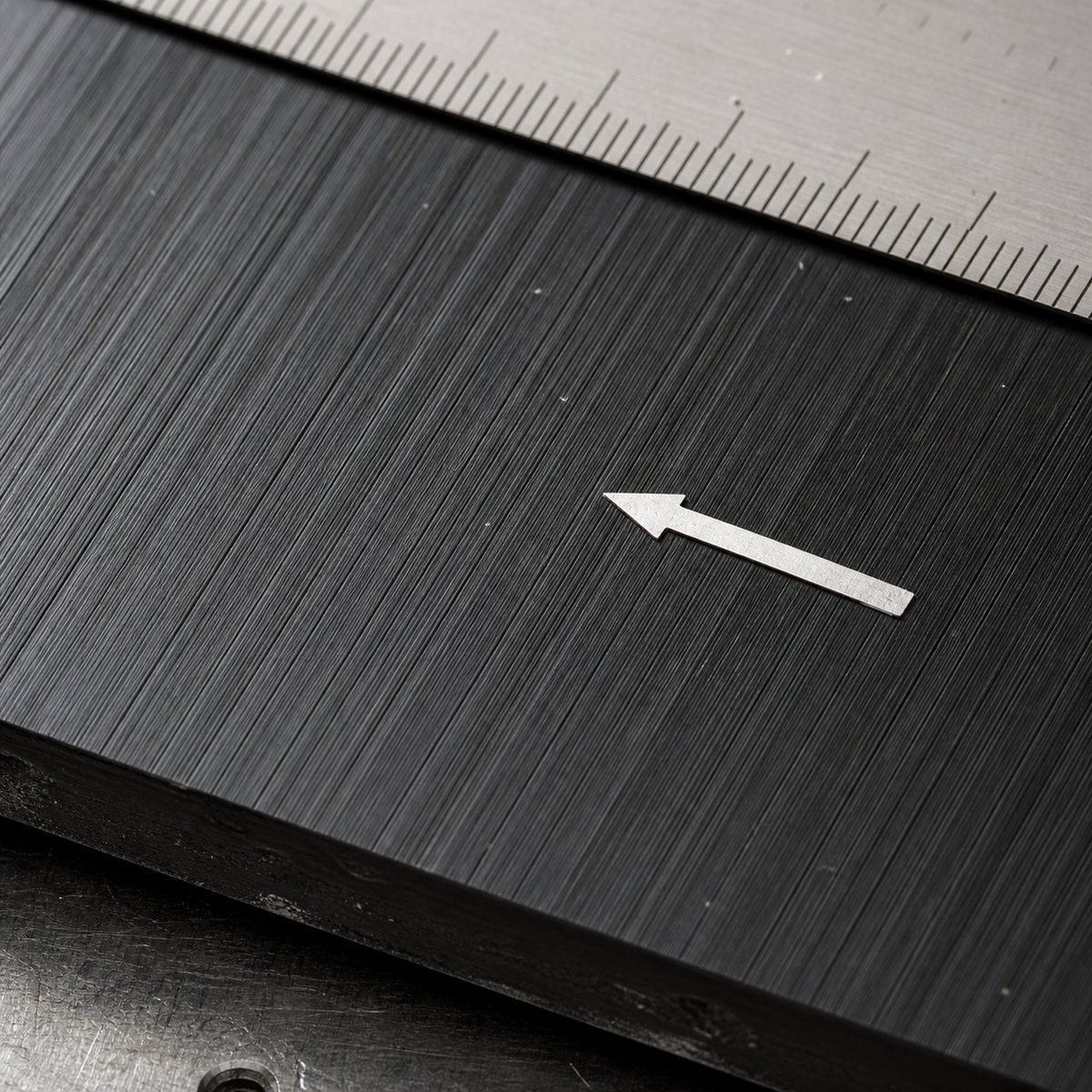
For rectangular parts, identify whether the 0° fibers run along the length or width. Also show principal bending direction, bearing loads around holes and any regions requiring transverse reinforcement.
Recommended drawing note: 0° fiber direction parallel to the marked longitudinal datum unless otherwise specified.
Custom Thickness UD Carbon Fiber Plates
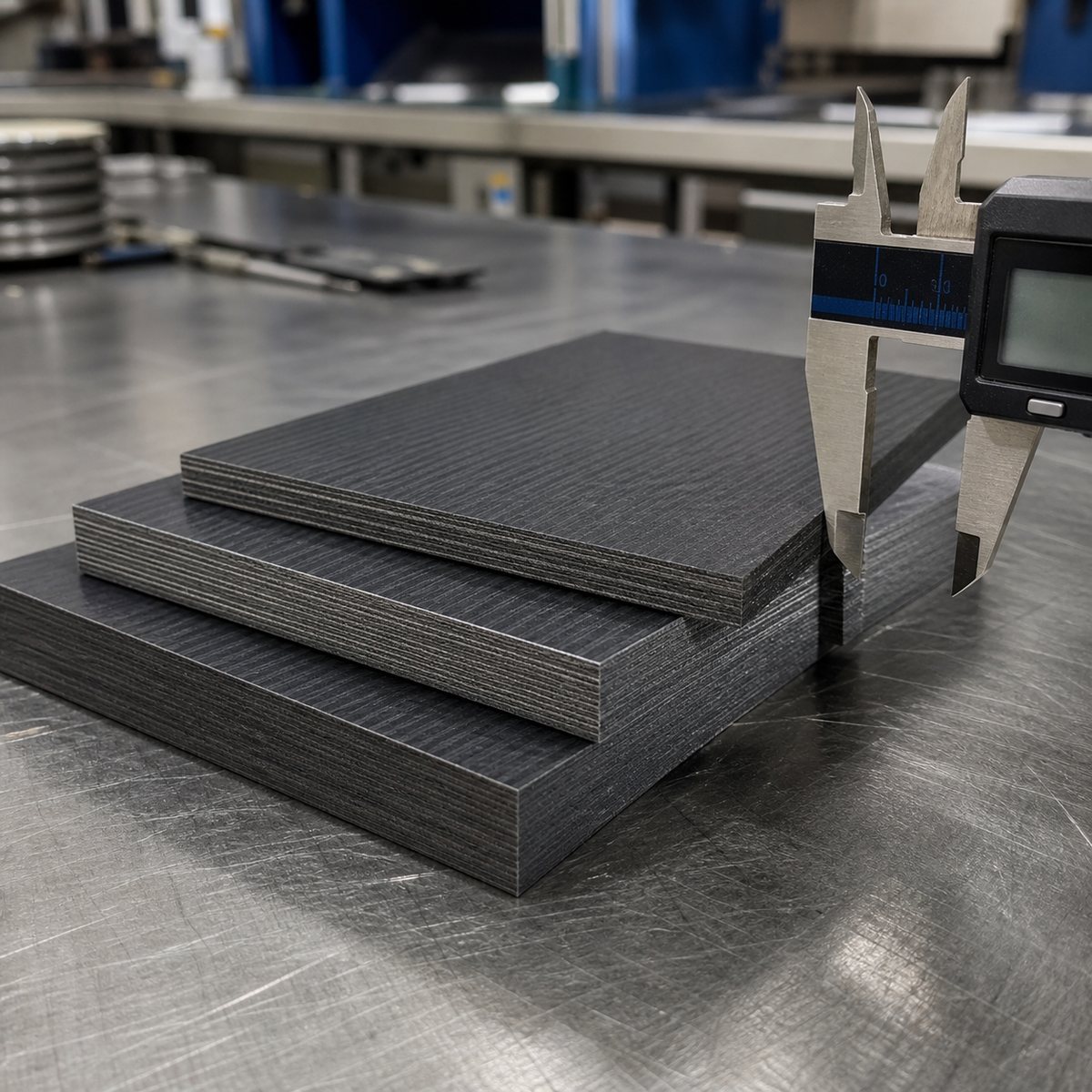
Custom thickness is reviewed together with fiber volume, cured-ply thickness, flatness, machining depth and the required bending stiffness.
Thin UD Carbon Sheets
Lightweight reinforcement skins and bonded stiffening layers.
Rigid UD Carbon Plates
Directional structural members, beam faces and precision supports.
Custom Cut Blanks
Rectangular blanks supplied with the 0° direction identified and protected.
Common search requirements: 0.5mm, 1mm, 2mm, 3mm and 5mm UD carbon fiber plates. Actual availability and tolerance are confirmed against the selected layup and sheet size.
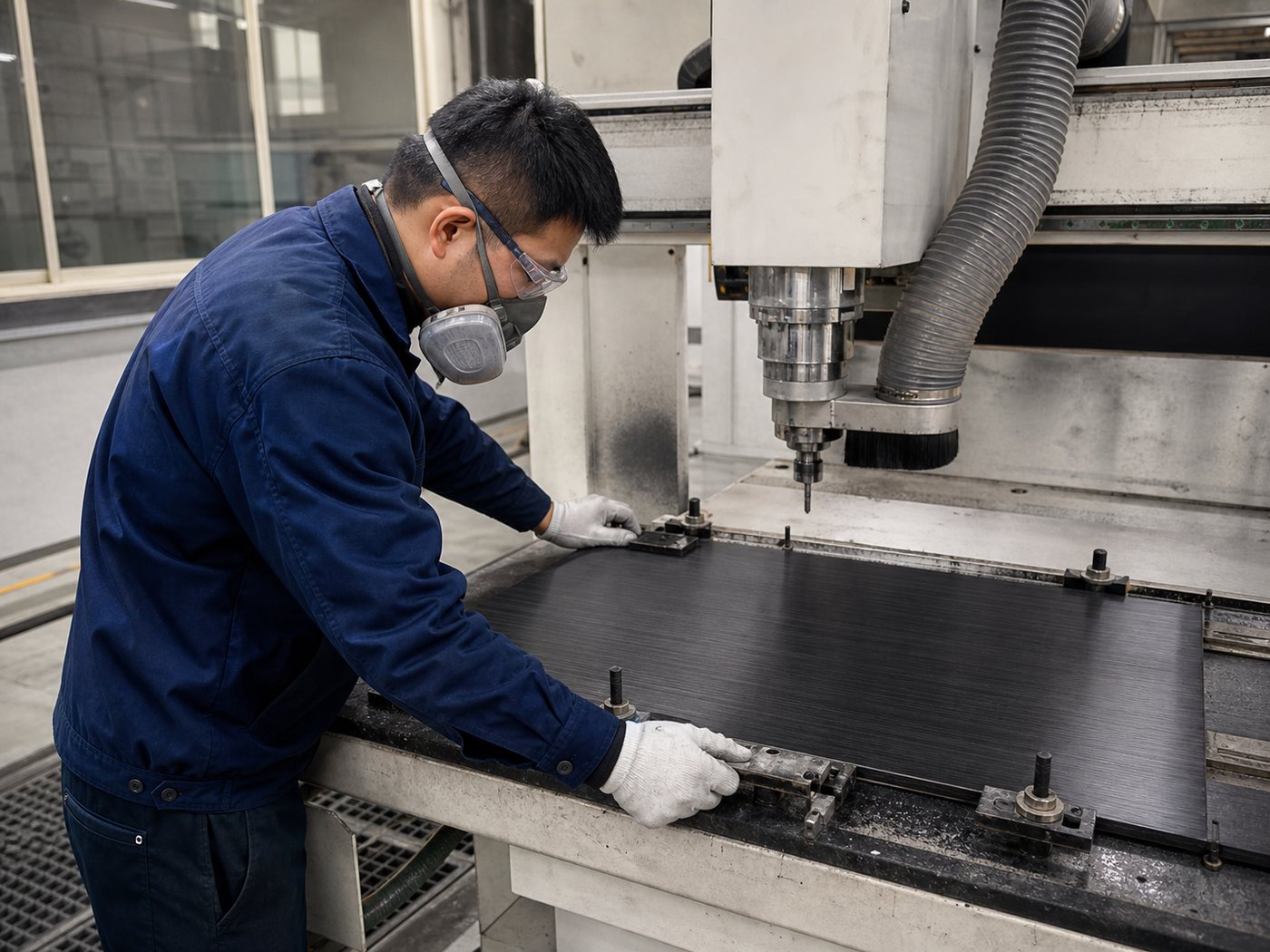
CNC-Cut Unidirectional Carbon Fiber Sheets
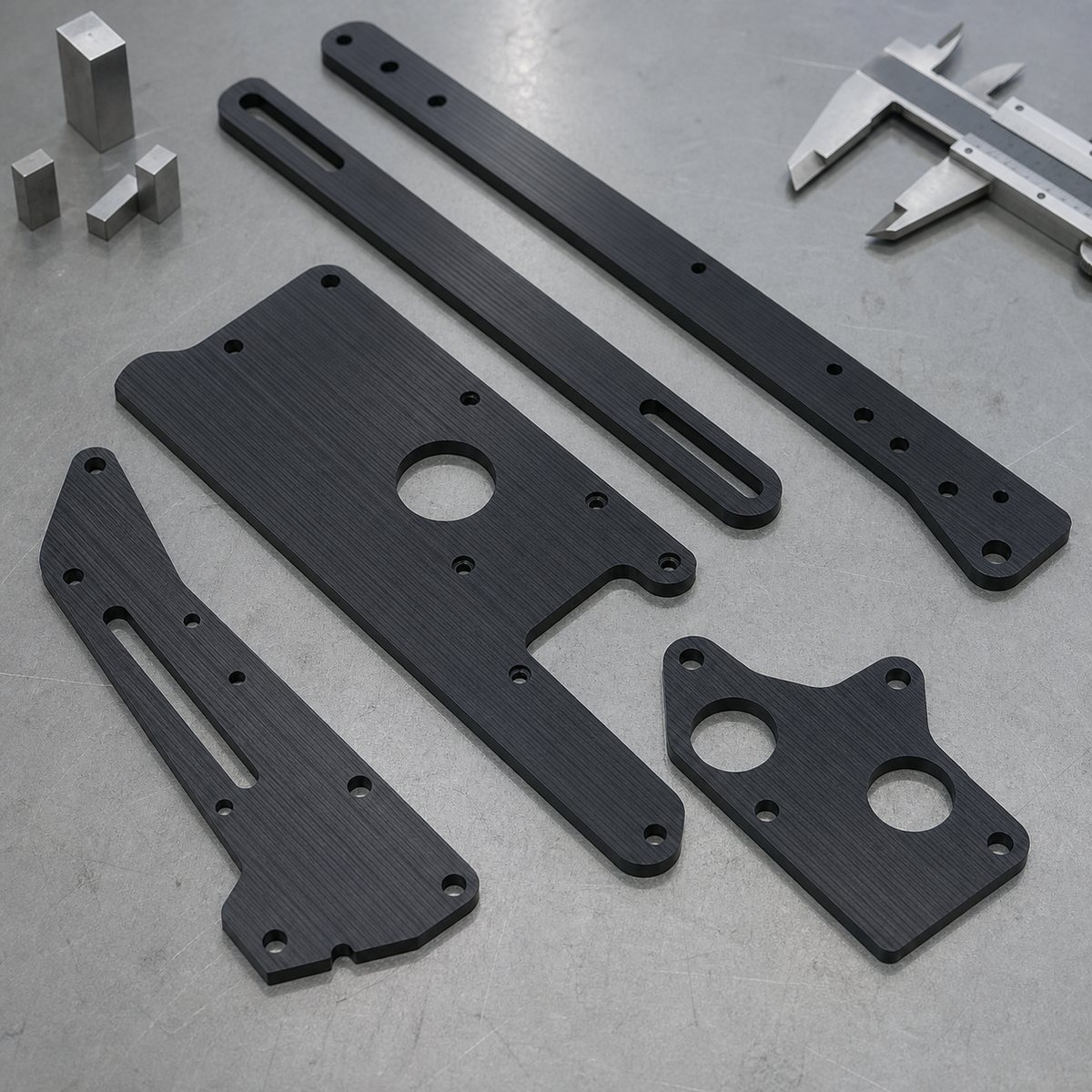
Made-to-drawing UD carbon fiber plates can be supplied as full sheets, custom blanks or CNC-machined components. Hole locations and edge features should be reviewed relative to the fiber direction.
01 · Load Review
Confirm the principal load, bending direction, support points and stiffness target.
02 · Layup Definition
Select pure UD, UD-dominant or custom ply orientation.
03 · Laminate Production
Control fiber alignment, resin content, cure and thickness.
04 · CNC Cutting
Machine profiles, holes, slots and selected edge details.
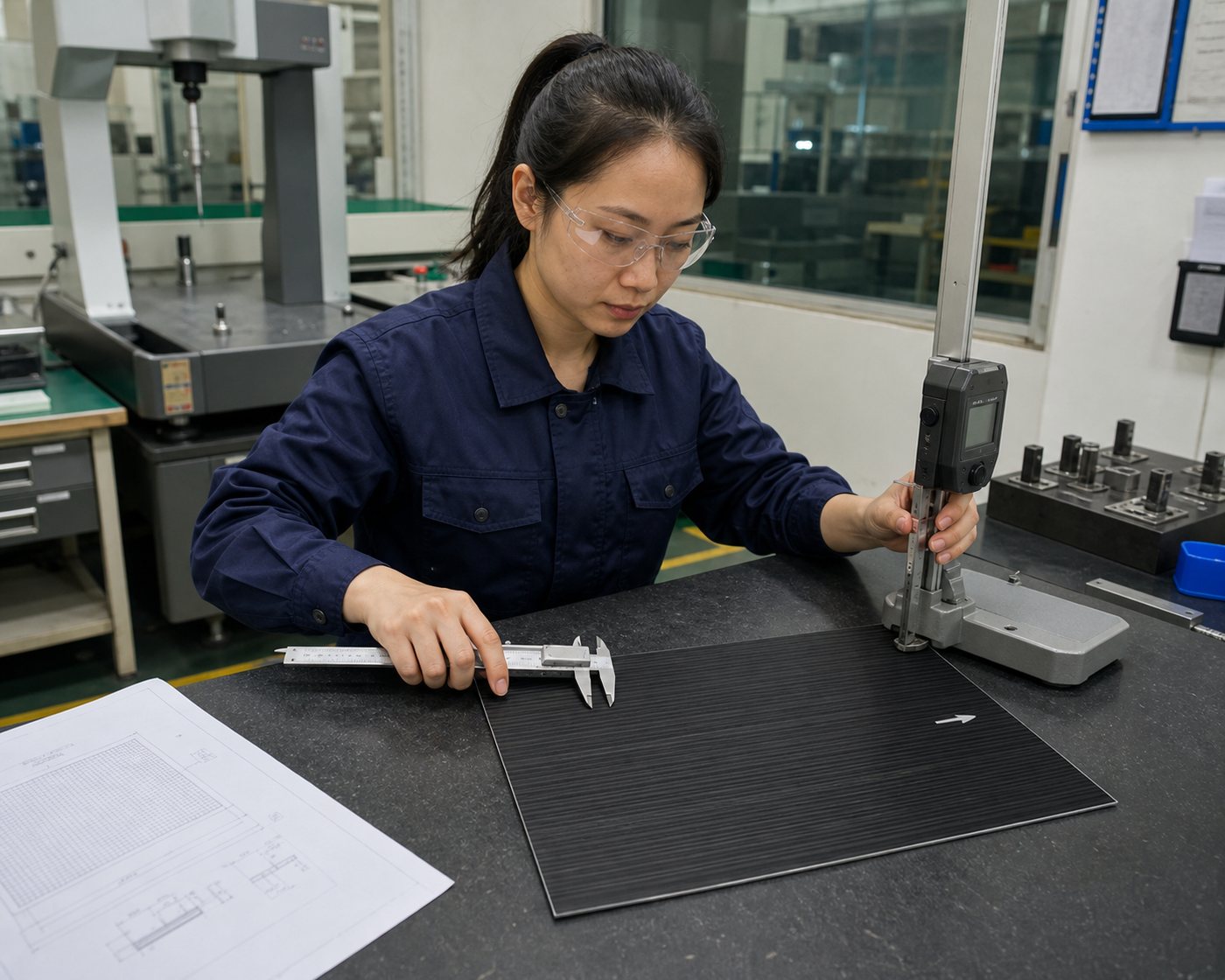
05 · Inspection
Verify fiber direction, critical dimensions, flatness and surface quality.
06 · OEM Packaging
Mark the 0° direction and protect finished surfaces for shipment.
UD Carbon Fiber Plates for Beam Reinforcement and OEM Structures
Unidirectional laminates are most useful when the principal load direction is defined. Multi-directional parts may require cross plies or another laminate architecture.
Beam & Cantilever Stiffening
0° fibers positioned along the principal bending and tensile direction.
Robotics & Automation
Lightweight arms, rails and structural members with controlled deflection.
UAV Structures
Directional reinforcement for spars, frames and selected lightweight supports.
Optical Equipment
Low-mass beams and supports for positioning and imaging systems.
Local Reinforcement
Bonded carbon strips or plates added to substrates requiring greater bending stiffness.
Sporting Equipment
Directional laminate components designed around known flex and load paths.
Unidirectional vs. Woven Carbon Fiber Sheets
Choose UD material when a known directional load dominates. Choose a balanced or multi-angle laminate when loads, fasteners and impact can act in multiple directions.
| Design Factor | 0° UD Plate | Woven / Balanced Plate |
|---|---|---|
| Primary Stiffness | Concentrated along the fiber axis | Distributed across principal directions |
| Transverse Performance | Limited unless cross plies are added | More balanced in-plane behavior |
| Typical Use | Beams, strips and directional reinforcement | Panels and multi-directional parts |
| Drawing Requirement | 0° direction must be clearly marked | Layup schedule still required for engineering parts |
| Surface Appearance | Parallel fiber appearance or surface veil | Visible twill or plain weave available |
Inspection for Custom UD Carbon Fiber Plates
Fiber Direction Verification
Confirm the marked 0° axis and visible alignment against the drawing.
Thickness and Flatness
Check cured thickness, critical dimensions and agreed flatness criteria.
Machined Feature Inspection
Inspect outlines, holes, slots, edge quality and bonding surfaces.
Unidirectional Carbon Fiber Sheet FAQ
Engineering and purchasing questions for custom 0° UD carbon fiber laminates.
It is a cured CFRP laminate in which continuous carbon fibers are aligned primarily along one direction to concentrate stiffness and strength along that axis.
An all-0° sheet has its main reinforcement aligned along a single defined axis. Some products add surface veils or limited cross plies for handling and transverse stability, which should be disclosed in the layup specification.
No. A pure unidirectional laminate is highly anisotropic. Its transverse performance is much lower than its performance along the fiber direction unless 90° or angled plies are added.
Yes. Thickness is reviewed together with fiber grade, ply structure, sheet dimensions, tolerance, flatness and target stiffness.
Yes. The drawing should mark the required 0° direction and identify the principal loads. Project-specific 0°, 90° and angled plies can then be reviewed.
Yes. Custom outlines, holes, slots, chamfers and selected edge details can be machined using composite-compatible tooling and dust control.
It can be effective when the carbon fibers follow the principal tensile and bending direction. The substrate, bonding method, support conditions and transverse loads must also be reviewed.
UD prepreg is an uncured fiber-and-resin intermediate requiring controlled storage and curing. A UD carbon fiber plate is a finished, cured laminate ready for cutting or assembly.
Prototype and small-batch requirements can be evaluated based on tooling, sheet size, layup, machining and inspection requirements.
Provide a drawing, dimensions, thickness, load direction, fiber orientation, stiffness target, resin or temperature requirement, machining details, quantity and delivery destination.
Related Carbon Fiber Sheets and Technical Resources
Carbon Fiber Sheets
Explore woven, colored, UD and application-specific carbon fiber laminates.
Custom Carbon Fiber Components
Review made-to-drawing CFRP panels and integrated structures.
Carbon Fiber CNC Machining
Plan holes, profiles, slots, edge details and drawing tolerances.
Request a Custom UD Carbon Fiber Plate Quote
Send your drawing, load direction, fiber orientation, thickness, stiffness target, machining requirements and quantity for a feasibility review.